Why Linen Has Taken Over Everyone's Wardrobe and Won't Be Leaving
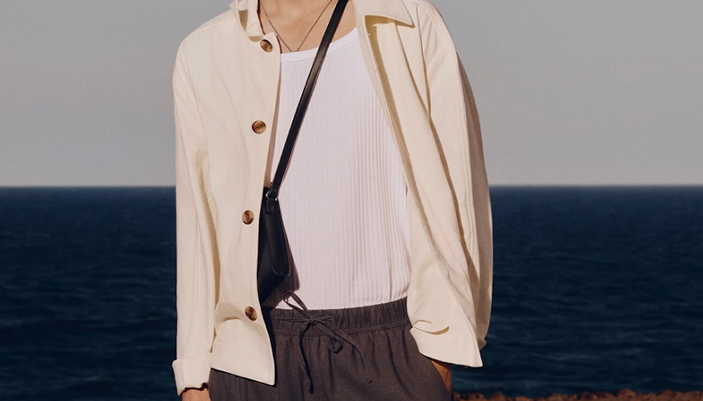
A few years ago, linen was a fabric with a reputation problem. Beloved for its breathability and its texture, it was perpetually undermined by one fatal flaw: it creased. Catastrophically, immediately and in ways that seemed to mock even the most careful packing. A linen shirt that looked crisp and beautiful at 9am would resemble a crumpled napkin by 10. For many people, that was the end of the relationship.
And then something changed. Linen not only survived its reputation problem, it transcended it entirely. Today, linen is arguably the dominant fabric in British wardrobes, worn year-round by people of all ages and across every conceivable style tribe. From fashion editors to farmers, Pilates instructors to pensioners on the Amalfi Coast, linen has achieved something remarkable: it has become universally beloved.
And then something changed. Linen not only survived its reputation problem, it transcended it entirely. Today, linen is arguably the dominant fabric in British wardrobes, worn year-round by people of all ages and across every conceivable style tribe. From fashion editors to farmers, Pilates instructors to pensioners on the Amalfi Coast, linen has achieved something remarkable: it has become universally beloved.
The crease question was resolved, or rather reframed. Somewhere between 2022 and 2024, the cultural narrative shifted from linen creases being a flaw to being a feature. A beautifully worn linen shirt, softly creased and lived-in, came to signify exactly the kind of relaxed, effortless elegance that the quiet luxury movement prizes so highly. The crease became shorthand for someone who was confident enough not to care about perfection. It acquired a certain je ne sais quoi that starched cotton could never match.
The sustainability argument has played a significant role too. Linen is made from flax, one of the most environmentally benign crops you can grow. Flax requires very little water compared to cotton, needs minimal pesticide and every part of the plant can be used. Linen fabric is biodegradable, durable and improves with age: it softens and becomes more beautiful over time rather than deteriorating. In an era of growing consciousness about the environmental cost of fashion, these qualities matter enormously.
The sustainability argument has played a significant role too. Linen is made from flax, one of the most environmentally benign crops you can grow. Flax requires very little water compared to cotton, needs minimal pesticide and every part of the plant can be used. Linen fabric is biodegradable, durable and improves with age: it softens and becomes more beautiful over time rather than deteriorating. In an era of growing consciousness about the environmental cost of fashion, these qualities matter enormously.
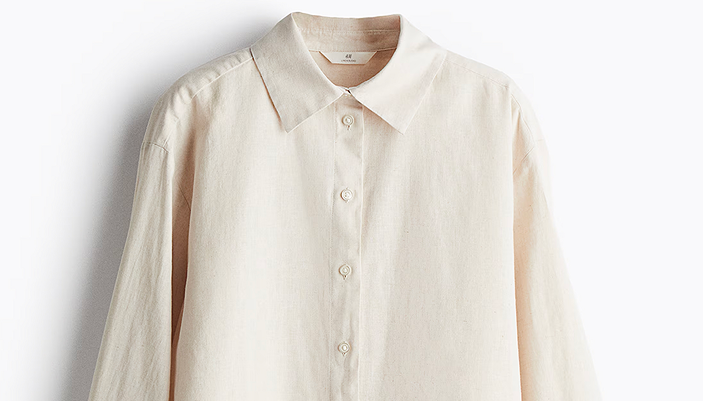
The versatility of the fabric has also expanded dramatically as designers have invested in it. Contemporary linen is available in weights ranging from gossamer-thin summer suiting fabric to substantial structured linen perfect for tailoring. Blended linens, incorporating a small percentage of silk, cotton or elastane, offer the texture and breathability of pure linen with improved drape or stretch. The colour range has expanded beyond the traditional natural, white and navy palette to encompass extraordinary earthy terracottas, dusty pinks, sage greens and rich indigos.
For building a genuinely timeless wardrobe, linen is arguably the most intelligent investment a person can make. A quality linen blazer will last decades. Linen trousers in a classic cut will work from a summer garden party to a winter dinner over a roll-neck. Linen dresses transition effortlessly from beach to bar, from countryside to city.
The wrinkles are not a bug. They are very much a feature. And linen, it turns out, is not going anywhere.
The wrinkles are not a bug. They are very much a feature. And linen, it turns out, is not going anywhere.