What the World Eats for Breakfast: 12 Morning Rituals Worth Stealing
Breakfast is the most culturally revealing meal there is. It is private, habitual and honest.
Lunch and dinner bend towards hospitality, towards occasion, towards the guest in the room. What a country eats in the first hour of the day is what it actually believes food is for.
Japan begins quietly. Miso soup, rice, pickled vegetables, a small piece of grilled fish, perhaps some tofu. It is balanced, low in sugar and anti-inflammatory in ways that nutritionists spend careers articulating. The Japanese did not need the research. They have been eating this way for several centuries.
In Turkey, breakfast is an event. Olives, white cheese, sliced cucumber and tomato, eggs cooked multiple ways, simit from the bakery, honey and clotted cream, tea served in glass cups that always seem too hot to hold.
Lunch and dinner bend towards hospitality, towards occasion, towards the guest in the room. What a country eats in the first hour of the day is what it actually believes food is for.
Japan begins quietly. Miso soup, rice, pickled vegetables, a small piece of grilled fish, perhaps some tofu. It is balanced, low in sugar and anti-inflammatory in ways that nutritionists spend careers articulating. The Japanese did not need the research. They have been eating this way for several centuries.
In Turkey, breakfast is an event. Olives, white cheese, sliced cucumber and tomato, eggs cooked multiple ways, simit from the bakery, honey and clotted cream, tea served in glass cups that always seem too hot to hold.
It is slow and generous and entirely incompatible with leaving the house quickly. The Turks seem to regard this as an acceptable cost.
Egypt's answer is ful medames, slow-cooked fava beans dressed with lemon, olive oil and cumin, served with bread and eggs and sometimes a fiery relish that wakes you up more effectively than any coffee. It is one of the oldest breakfast dishes on earth, eaten in roughly the same form for three thousand years, and it remains one of the best.
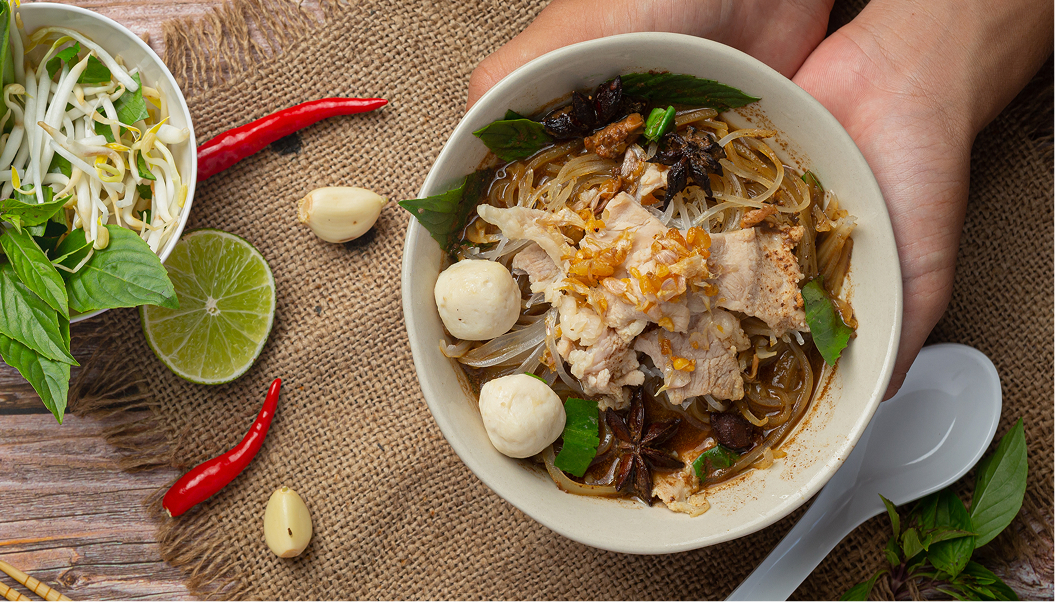
Vietnam eats pho in the morning and sees no reason to apologise for it. The broth has been cooking since the night before. The herbs are fresh, the rice noodles are soft, the beef or chicken is added at service. It is the most comforting thing you can eat at seven in the morning and almost certainly better for you than a bowl of cereal.
Egypt's answer is ful medames, slow-cooked fava beans dressed with lemon, olive oil and cumin, served with bread and eggs and sometimes a fiery relish that wakes you up more effectively than any coffee. It is one of the oldest breakfast dishes on earth, eaten in roughly the same form for three thousand years, and it remains one of the best.
Vietnam eats pho in the morning and sees no reason to apologise for it. The broth has been cooking since the night before. The herbs are fresh, the rice noodles are soft, the beef or chicken is added at service. It is the most comforting thing you can eat at seven in the morning and almost certainly better for you than a bowl of cereal.
Mexico has the breakfast torta, which is a roll stuffed with refried beans, eggs, avocado and whatever else was left over from last night. It is everything British brown sauce was trying to be.
What the best breakfasts in the world share is protein, fat and the absence of industrial quantities of refined sugar. They are not quick by design. They are the meal that sets the tone for the rest of the day, and the cultures that take them seriously tend to eat well at every other meal too.
What the best breakfasts in the world share is protein, fat and the absence of industrial quantities of refined sugar. They are not quick by design. They are the meal that sets the tone for the rest of the day, and the cultures that take them seriously tend to eat well at every other meal too.
The simplest way to improve your mornings is to treat breakfast as a meal rather than a logistics problem. Take twenty minutes. Make something real. The rest of the day will reflect it.

Features